How AI is changing SEO in 2026

Ever tried to have a conversation with a vending machine only to realize it knows more about your buying habits than your spouse does?
That’s kinda what it feels like trying to rank a website right now.
We are deep into 2026, and the panic is palpable. Every other day some “guru” on Twitter (I still refuse to call it X) is screaming about the apocalypse because their little niche site got nuked by an algorithm update. But let’s be real for a second. We saw this coming years ago. ai seo isn’t just a buzzword anymore; it’s the air we breathe.
If you’re still trying to stuff keywords into meta tags like it’s 2015, you’re not just behind; you’re playing a completely different sport.
Here is the raw truth about How AI is changing SEO in 2026, without the fluff and without trying to sell you a $997 course.
The “Ten Blue Links” Are Basically a Museum Exhibit Now
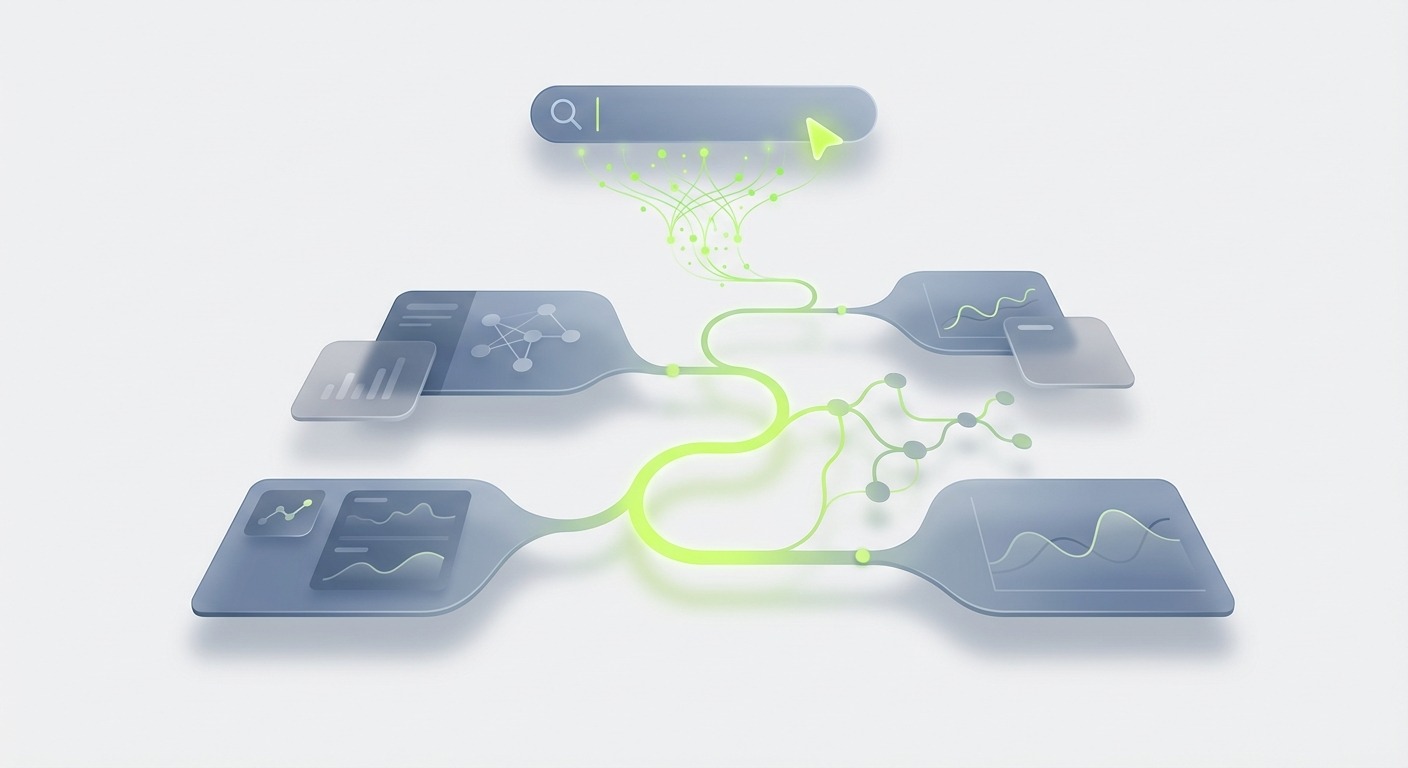
Remember when you searched for something and got a list of websites? That feels vintage now.
Google’s AI Overviews have taken over the prime real estate. I’ve been saying this would happen. The search engine isn’t trying to send traffic to your site anymore; it’s trying to keep users on their site. They want to be the destination, not the roadmap.
If your entire business model relies on answering simple questions like “how long to boil an egg” or “capital of France,” you are toast. The AI answers that instantly. Zero clicks.
This shift to zero-click search means traffic volumes for informational queries have cratered. Does that mean SEO is dead? No. It means the game has shifted from “getting traffic” to “building a brand.” If people aren’t searching for you specifically, you’re at the mercy of the AI summarizer. And let me tell you, that robot isn’t generous with citations.
Optimization? No, It’s Answer Engine Optimization (AEO)
This is where things get technical, so grab a coffee.
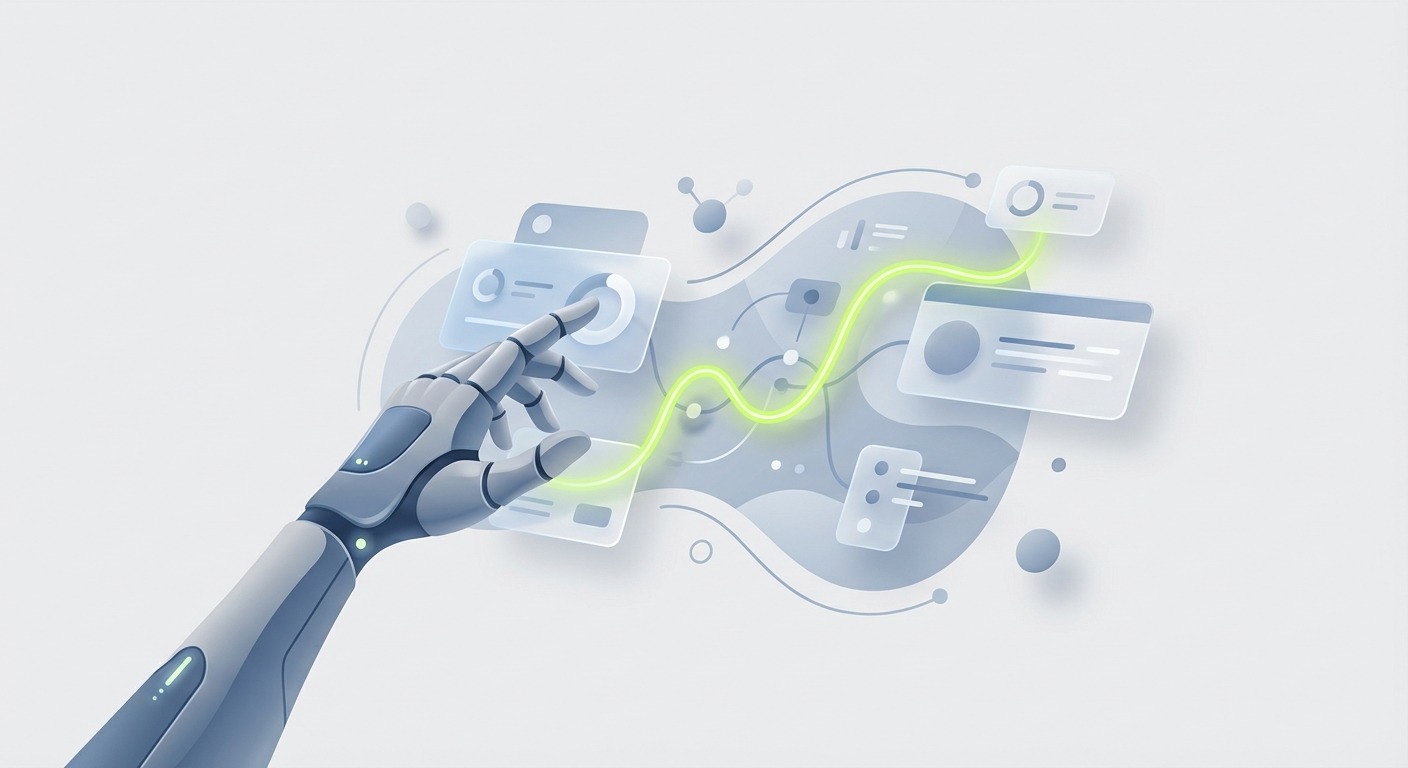
We used to optimize for search engines. Now we have to optimize for answer engines. The difference is subtle but massive. Search engines look for keywords; answer engines look for solutions.
If you don’t know the difference, you need to read up on what is AEO because that is literally the only way you’re going to survive this shift.
AEO is about structuring your content so clearly that an LLM (Large Language Model) can digest it and spit it back out to the user. If your content is buried in fluff, anecdotes about your grandma, or pop-ups, the AI is going to skip you. It wants facts, data, and direct answers.
Here is what the AI is actually looking for in 2026:
- Structured Data: If you aren’t using Schema markup for everything, you’re invisible.
- Authority: The AI trusts brands it recognizes.
- Conciseness: Long-form content is great for humans, but for the AI snippet, you need a summary right at the top.
- Unique Value: If you’re just rewriting what Wikipedia says, the AI doesn’t need you.
The “Human Touch” Is Your Only Moat
This is the part that drives me nuts. Everyone is using AI to write content. The internet is flooded with generic, bland, hallucinated garbage.
And you know what? It’s actually a huge opportunity for you.
Since 99% of the web is now robot-vomit, actual human experience stands out like a neon sign. Google’s systems (and users) are craving authenticity. They want to know that a real person actually tested the product, visited the location, or solved the problem.
This goes back to the fundamentals. You can check out the SEO basics for beginners if you need a refresher, but the core principle remains: trust.
If you write like a corporate press release, you lose. If you write like a friend giving advice (kinda like I’m doing right now), you win. The AI can’t replicate a unique voice or a polarizing opinion. It’s designed to be neutral and safe. Be the opposite.
What Actually Works in 2026 (The Playbook)
So, how do you actually make money or get traffic in this mess? You have to stop chasing the algorithm and start chasing the user.
Here is the straightforward plan to not get crushed:
- Target “Experience” Keywords: Don’t target “best running shoes.” Target “my experience running a marathon in Nike Alphas.” The AI can list specs; it can’t hallucinate your blisters (well, it can, but it’s not convincing yet).
- Build an Email List: I feel like a broken record, but you cannot rely on Google rental space. Own your audience.
- Video is Non-Negotiable: AI is getting better at video, but a real face on camera is still the highest form of trust. Embed video in your posts.
- Diversify Traffic: If 100% of your traffic comes from Google, you don’t have a business; you have a gambling addiction. Pinterest, newsletters, direct traffic—get on it.
The Spammers Are Getting Wrecked
I have to laugh at the “programmatic SEO” guys who thought they could generate 10,000 pages a day and retire.
Google’s spam filters in 2026 are ruthless. They aren’t just looking for keyword stuffing; they are looking for “helpful content” signals. If your site has high bounce rates because the content is boring robot-text, you get de-indexed.
It’s satisfying to watch, honestly. The churn-and-burn strategies are dying. It takes more effort to rank now, but the results are stickier if you do it right. You have to actually care about the topic. Imagine that.
FAQ

Will AI replace SEO specialists?
No, but it will replace the lazy ones. If your job was just tweaking title tags, you’re done. If your job is strategy and brand building, you’re fine.
Is blogging dead in 2026?
“Blogging” as a diary is fine. “Blogging” for generic informational keywords is on life support. You need to pivot to opinion, analysis, and deep dives.
Can I use AI to write my content?
Sure, use it to outline or brainstorm. But if you copy-paste the output, don’t cry when your rankings flatline.
Stay hustlin’