
10 Best YouTube Alternatives to Host Your Videos


If you’re looking for the best YouTube alternatives in 2026, to make more money, or to have more freedom, check out this list of top video-sharing sites that you can use.
There are many reasons to move to a YouTube alternative platform, mostly related to monetization, but there are a couple more (which I’m going to go over shortly).
Whatever your reasons are, you will be happy to know that there are many YouTube alternatives to share your videos on.
Plus…
You don’t even have to ditch YouTube altogether, you can publish your videos on these other video sharing platforms to increase your content marketing reach.
Why You Can’t Ignore Video Marketing
For many years, YouTube has ruled the online video industry. Of course, video marketing is hot right now. With people watching 19 or more hours of online video every week, the industry is lucrative.
In addition, advertisers are willing to pay top dollar to get their ads in front of those audiences.
According to Wyzowl, 91% of marketers and businesses have used video as a growth tool. Statista also reports that advertisers paid over $191.3 billion for programmatic video ads in the U.S. alone in 2024.
So you get the idea: video marketing is huge, and it’s only going to get bigger as time goes on.
However, many content producers have recently realized that they can’t rely on YouTube alone. This has led to a search for other serious options to help them continue growing and monetizing.
Reasons to look for YouTube alternatives
There are many reasons to use video-sharing sites like YouTube. Here are a couple of reasons for video marketers and content creators.
1. Revenue share cut is a problem
YouTube makes revenue sharing tiring by taking a significant cut from every ad payment. This discourages many content creators looking to monetize their videos and YouTube channels.
The split for your YouTube ad revenue is 45/55. Google takes away a 45% cut, leaving you with 55% of the total ad revenue.
Sure, for many video creators, 55% is still better than 0%. However, many feel like this cut is a bit too much.
Creating awesome videos and getting their audience to watch the ads is a lot of work. 55% just doesn’t cut it for them.
2. Requirements for channel monetization
When you start a YouTube channel, you have zero content, and obviously, because of that you also have zero subscribers and watch hours.
But when you slowly start putting out more videos you will see that your videos will soon start to get some traction to bring you some views and a couple of subscribers here and there.
The problem is that for many video creators, especially at the beginning, they won’t be able to monetize their YouTube channel, until they hit specific milestones such as 1,000 subscribers, and 4,000 hours of content being watched on their channel in the last year.
Because of that, many get discouraged and won’t continue creating new content since they can’t see any $ out of it for a while.
3. Videos getting demonetized
Ever since YouTube introduced some new policy changes a couple of years ago, a ton of video creators have found out that many of their videos are now getting demonetized, meaning they don’t earn money out of them.
Because of that, creators are now “forced” to create content that’s advertiser-friendly, and that really dilutes the quality of videos being produced these days.
That’s why you see so many YouTube videos that are 10 minutes or so in length and also why many channels use sponsor ads throughout their videos.
4. Censorship fears
Video creators use their content to voice out their opinions. However, every new policy change puts them at risk of having their videos removed or demonetized.
In recent years, the video-sharing platform has removed much of its content. This move has drawn criticism worldwide.
Sure, some videos are borderline against YouTube’s content guidelines. But many creators feel their content is sometimes wrongly removed.
This situation has made them seek the best YouTube alternatives to host their content.
5. High YouTube competition
YouTube is like every creator’s first stop for earning and visibility. There’s a lot of competition on the platform. With 500 hours of video uploaded to the platform EVERY MINUTE, many new creators struggle.
Because of that, many are also opting to upload their videos to one of the many YouTube competitors.
6. Reach out a bigger audience
You don’t really have to ditch and quit YouTube altogether, sometimes we as marketers simply want to reach a bigger audience and influence as many people as we possibly can.
So because of that, joining and uploading videos on other video-sharing platforms similar to YouTube could bring us more visits, leads, and sales.
Think of it like a PR (press release), where you send it to thousands of newspapers and news sites around the country or globe.
You can do the same thing with video content too, have one video uploaded to multiple sites, to maximize your exposure.
Sure some might only bring you 10 extra views, but guess what, it costs you nothing, and hey, 10 extra views are better than zero, last time I checked.
Top YouTube Alternatives for Publishers & Marketers
Alright, so now that I’ve shown you a few reasons why it might be worth switching to a competitor. Now, let me tell you where to upload videos besides YouTube.
1. Vimeo – One of the best YouTube Alternatives
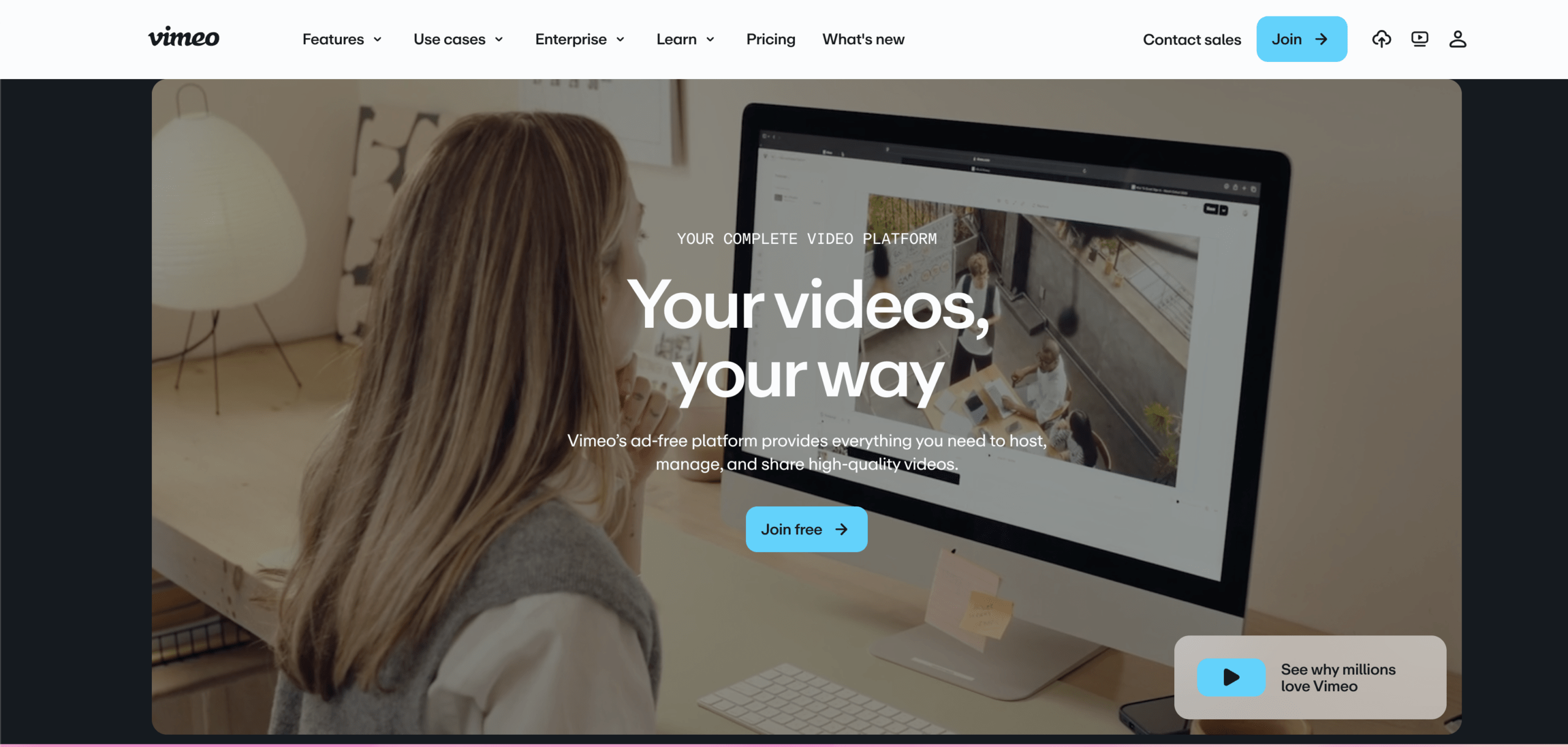
Vimeo is one of the most professional video hosting platforms on the internet. In fact, people consider it one of the outstanding YouTube alternatives today.
Vimeo doesn’t focus only on viral content; it also prioritizes high-quality production and professional branding.
Vimeo uses a much higher bitrate than YouTube. This means any video you upload to YouTube will look much better and have a sharper image on Vimeo.
Additionally, it has a more engaging community and an ad-free viewing experience. Publishers and marketers can embed videos without ads or distracting video suggestions.
The content on Vimeo is also more niche-specific. You won’t generally find the kind of videos that you would find on YouTube, such as gameplay videos, reviews, etc.
Vimeo is an excellent alternative if your videos are more perfect for a mature audience in specific niches.
The best part is its advanced privacy settings, customizable players, and secure hosting. Creators can also track engagement with their detailed analytics.
However, creators usually have to pay to upgrade their account and unlock certain perks and benefits.
2. TikTok
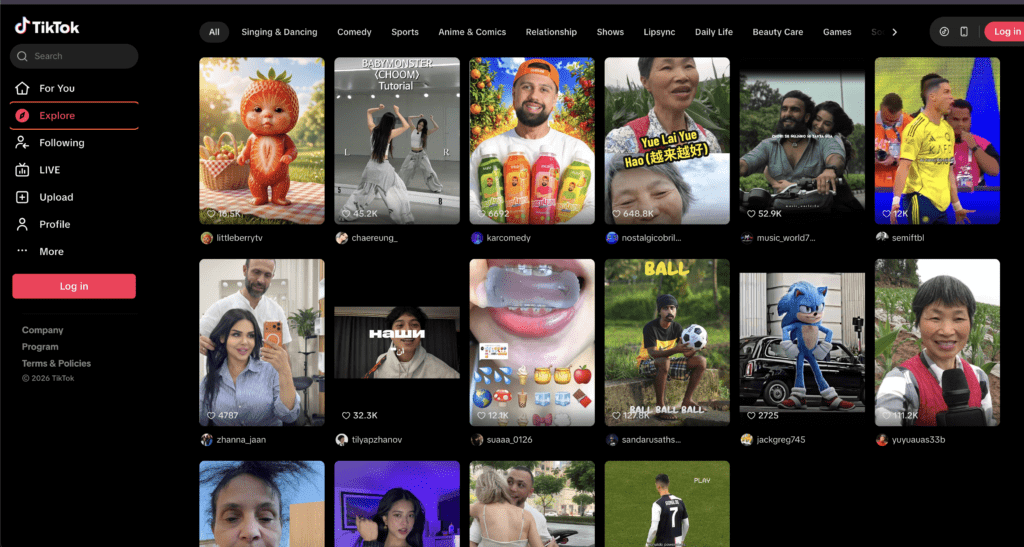
TikTok turned short-form video into one of the most powerful marketing tools online. Yes, YouTube Shorts are available as well. But TikTok videos changed the digital marketing landscape by improving audience engagement.
The platform’s algorithm effectively pushes content to new viewers. It also lets creators and brands get exposure quickly, even if they do not have thousands of followers.
TikTok has emerged as an important player for publishers and e-commerce businesses. It is one of the most powerful alternate solutions available today.
Many brands use TikTok to create fresh, on-Trend content that feels less like a traditional ad. They use tutorials, challenges, storytelling videos, and influencer collaborations to create a lot of engagement.
However, the competition on TikTok can be overwhelming because trends move very quickly.
3. Twitch
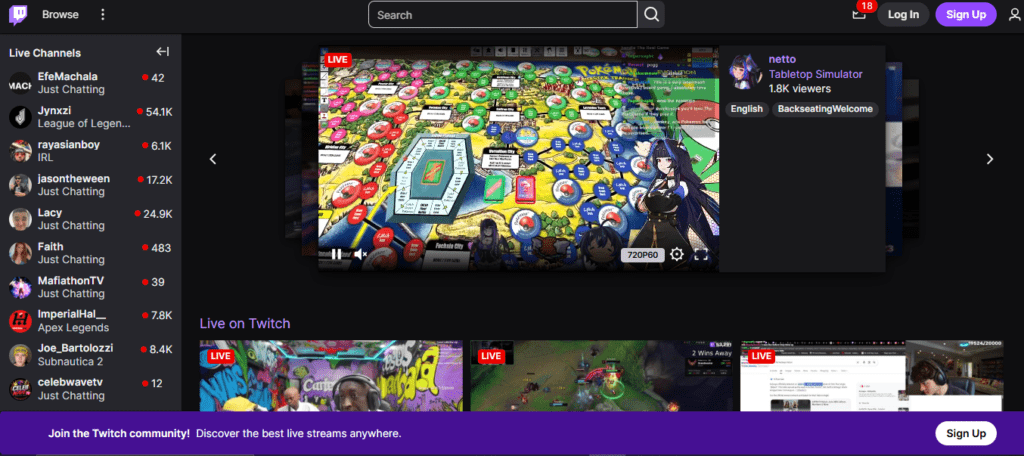
Twitch is well-known as a live-streaming site for gaming. But it has expanded its coverage to include music, interviews, sports discussion and even live events.
The platform focuses heavily on real-time interaction. This interaction enables creators to speak with the audience through chat and live whilst broadcasting.
Publishers and marketers also use Twitch for live webinars, product launches, and virtual events.
As a Twitch user you can partner with brands, and monetize your channel with in-stream ads. In addition to this, it generates revenue from subscribers.
On Twitch, people can follow their favorite channels and subscribe to them. To show support for the content creator, many people subscribe and pay a monthly fee.
Of course, Twitch takes a cut of that revenue. But you still end up earning a lot of money, especially if you have many subscribers.
Because of this, I believe that Twitch is one of the best YouTube alternatives if you want to make more money from your video content.
However, you must continue regular broadcasting to succeed on Twitch. The platform may not be perfect for evergreen content. But you can earn through sponsorships, subscriptions, donations, and viewer support.
4. Dailymotion
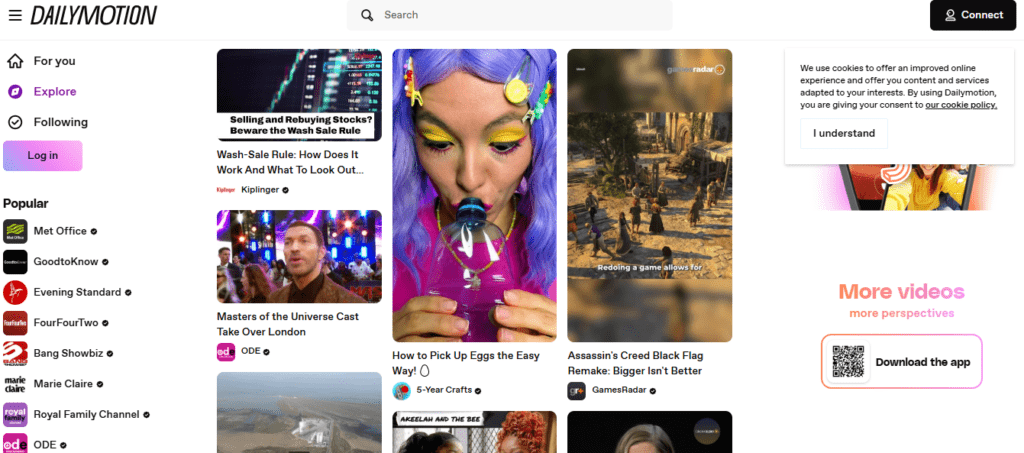
Dailymotion is one of the oldest YouTube competitors. It is the second-largest video content platform after YouTube. Many publishers and media companies still prefer it as an extra distribution channel.
It is like YouTube in terms of categories and design. It also supports international audiences globally.
But unlike YouTube, you could post nearly any video content (as long as it fits within their guidelines, of course).
Just like YouTube, Dailymotion also lets you monetize your content through various methods. This means in-stream video ads, display, and rich media banners.
Dailymotion also has OpenVOD, its VOD (video-on-demand) program for content creators. This feature allows them to further increase their revenue by selling their videos directly.
Dailymotion takes only 10% of VOD (video-on-demand) profits. This cut shouldn’t be a problem, since the platform lets you set your own price.
5. Rumble
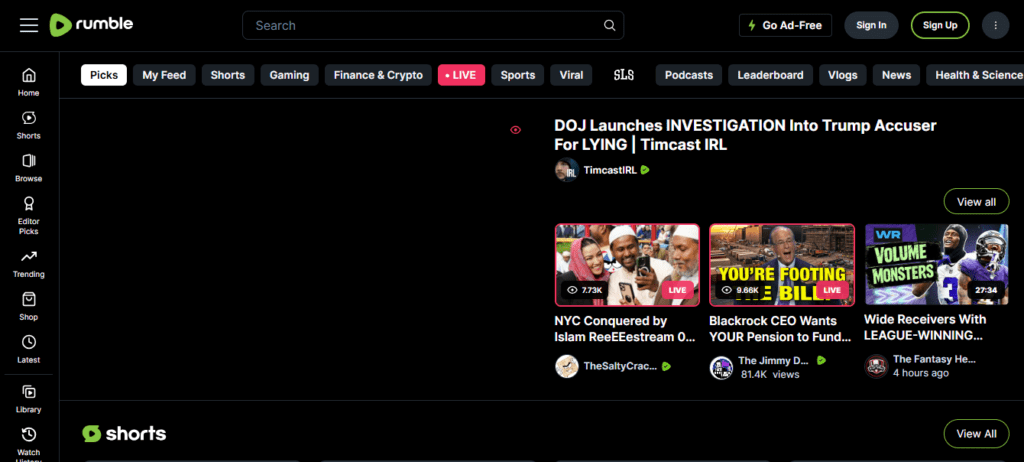
Rumble is a creator-friendly platform with looser content policies than YouTube. The platform has become particularly popular among publishers, marketers, and other media creators.
It is one of the best YouTube alternatives because it has a simpler monetization system. And it gives the creators the freedom to create whatever they want.
It might be easier for smaller creators to make money. Rumble also gives creators the option to license their videos. Licensing can also bring in extra revenue when other people agree to share the videos.
However, Rumble still has a smaller audience size than YouTube. Even so, many publishers use Rumble to avoid relying on a single video-sharing website.
6. LinkedIn Video
LinkedIn Video is an important tool for B2B marketers, executives, consultants, and professional publishers.
LinkedIn is the serious version of other entertainment video platforms. It focuses more on business-related content, such as industry insights and tutorials. This makes it highly effective for businesses going for a more corporate audience.
Another advantage is that you can connect directly with professionals and potential clients. You need to upload informative video content to capture attention.
LinkedIn may not be the viral entertainment-style platform, but you can get higher-quality leads for B2B brands.
7. Facebook Watch
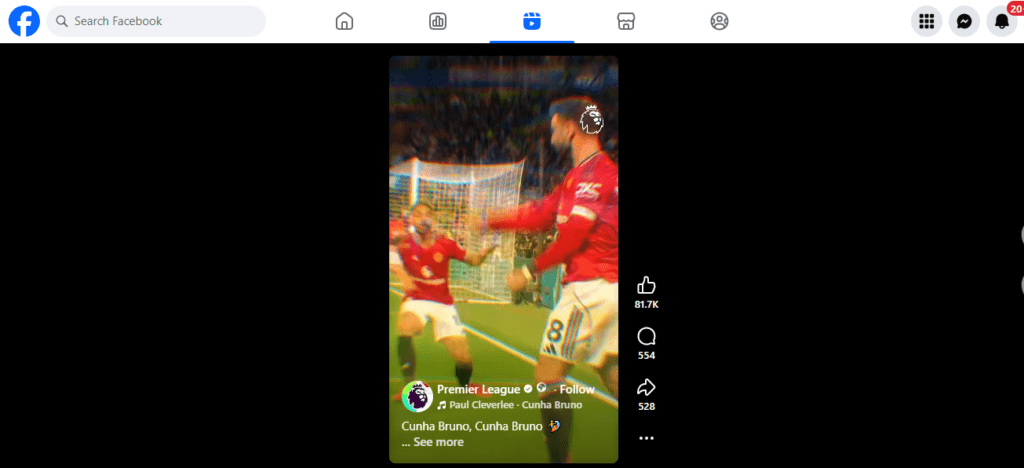
Facebook Watch is a top video-sharing platform thanks to its billions of users on Facebook. This alternative increases your potential audience outreach.
You’ll also discover that going viral on Facebook is much easier for certain niches. Some content creators even say that they are able to build their audience faster on Facebook than on YouTube.
Publishers can conveniently upload their videos to Facebook Pages, Groups and ads and receive more views. Actually, many companies are even repurposing content from YouTube or Instagram on Facebook Watch.
However, increased competition is making it harder to grow naturally on Facebook. Businesses often need a solid plan or paid ads to expand. Even so, Facebook Watch is valuable for marketers who are already using Meta platforms.
8. Wistia
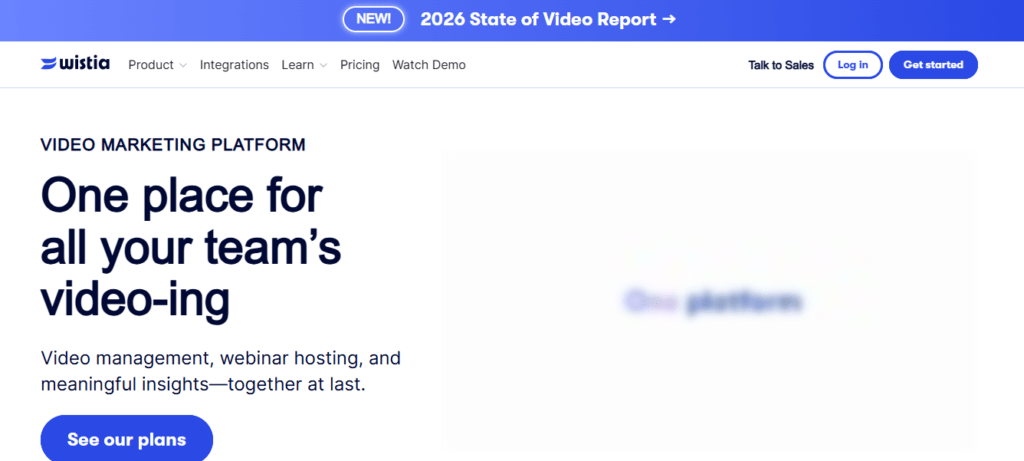
Wistia is a video hosting solution for businesses and digital marketers. Wistia focuses on generating leads and improving your performance in the market.
If you’re hosting a webinar, product demo, online course or sales video, Wistia is the ideal solution to do it directly on your website.
It doesn’t end there; Wistia has an advanced analytics system. Marketers can track engagement rate and conversion performance in detail.
Additionally, you can turn viewers into leads or customers with Wistia’s email capture forms and marketing integrations.
9. PeerTube
PeerTube is another interesting YouTube competitor, as its name suggests, the platform functions on peer-to-peer technology.
This means the video-sharing platform saves significant money on bandwidth costs. It also gives users the ability to run their own servers. In this manner, they can manage their material, viewers, and system policies.
PeerTube is a video platform that is worth trying out if you are looking for a decentralized platform. However, PeerTube is more difficult to manage. If you want to self host, you may need to know how to run a server.
10. Instagram Reels
Instagram Reels is now a leading short-form video platform for influencers, publishers and marketers. With its visually appealing nature, lifestyle brands and e-commerce stores can do particularly well on Instagram Reels.
Businesses use Reels for tutorials and influencer partnerships to promote sharing and engagement.
Unfortunately, many creators are vying for attention and competition on Instagram Reels can be fierce. But Instagram Shopping, Stories and influencer culture make it a powerful marketing tool.
Plus, users could still use their bio page to link to their own site, donation channels, affiliate marketing, and sponsored ads. I still recommend it as one of the best YouTube alternatives for creators.
YouTube Alternatives: Final Words
YouTube is still powerful, but smart publishers and marketers no longer depend on a single platform. These 10 YouTube alternatives should keep you busy for a while.
So go out there and create incredible content to attract as many audiences as you can.
But, it’s better to pick a platform and stick with it if you’re looking to make more money as a content creator. You can choose a main video-sharing site and then put the same content on other sites as an additional revenue stream.
As a marketer, you can’t really ignore all the other video-sharing sites, either. Not only are most of them cheaper to advertise on, but you get to spread your message about your product and service to a lot of people that don’t use YouTube.
FAQs
1. Can I make money on YouTube alternatives?
Yes, there are many Youtube alternatives where you can make money with monetization options. These platforms enable creators to monetize their content through ads, subscriptions, sponsorships, and brand deals.
2. Vimeo vs YouTube: Which is better?
Vimeo offers premium hosting, ad-free streaming, and advanced privacy controls. But YouTube has a much wider audience and reach. Choose one based on what you need
3. The best YouTube alternative for businesses is?
Wistia and LinkedIn Video are the best options for businesses. Wistia is perfect for lead gen and analytics. LinkedIn Video, however, is a great option for B2B marketing.
4. Any free video hosting besides YouTube?
And yes, there are plenty of free video hosting sites like TikTok, Dailymotion, Rumble, PeerTube and Twitch.
5. Are you able to upload the same videos on other platforms?
Yes you can re purpose and share the same content across different platforms for maximum reach and visibility.




youtubers is best
For now, but if they continue in this direction I don’t think they will remain the best in the future.